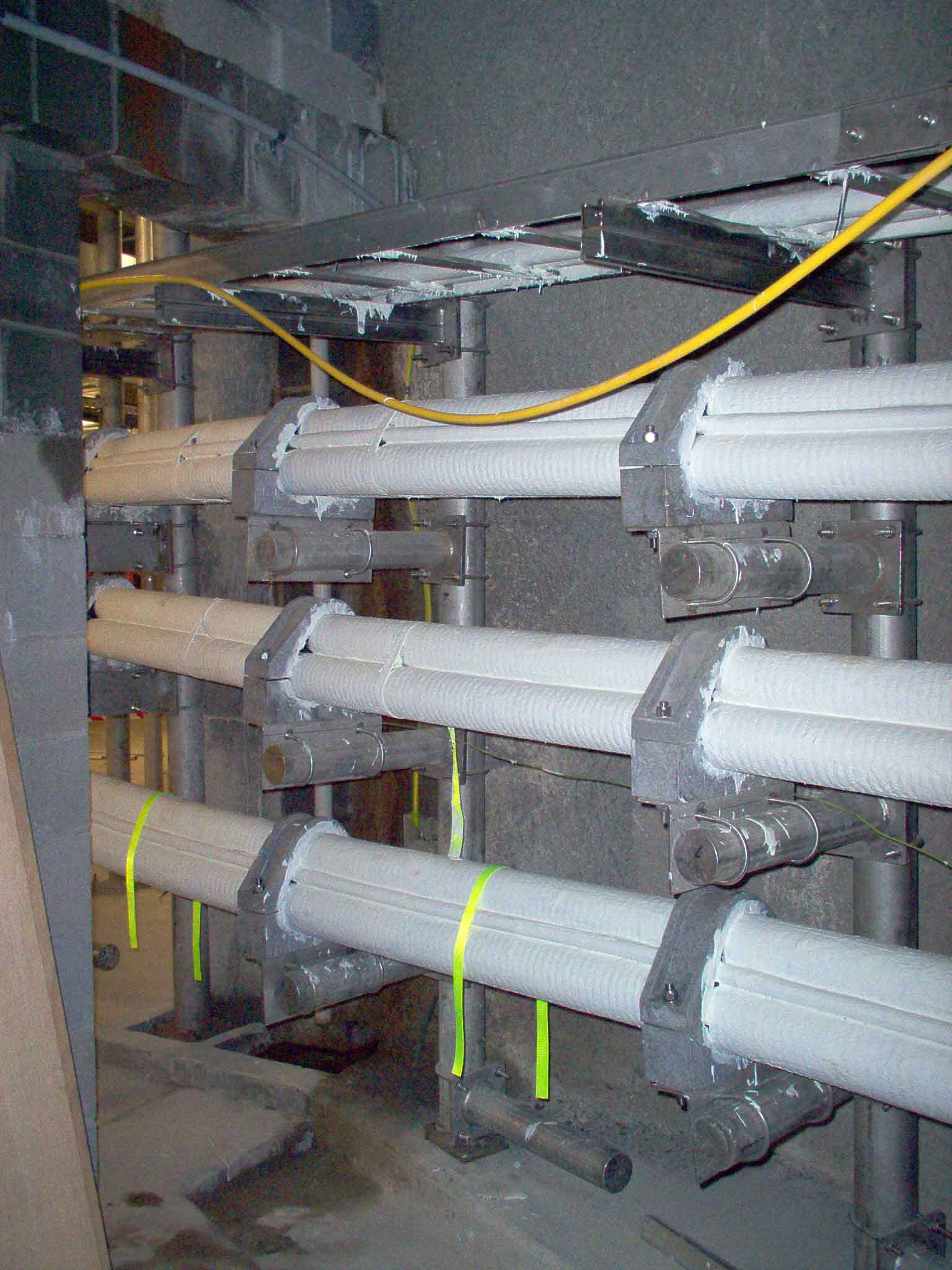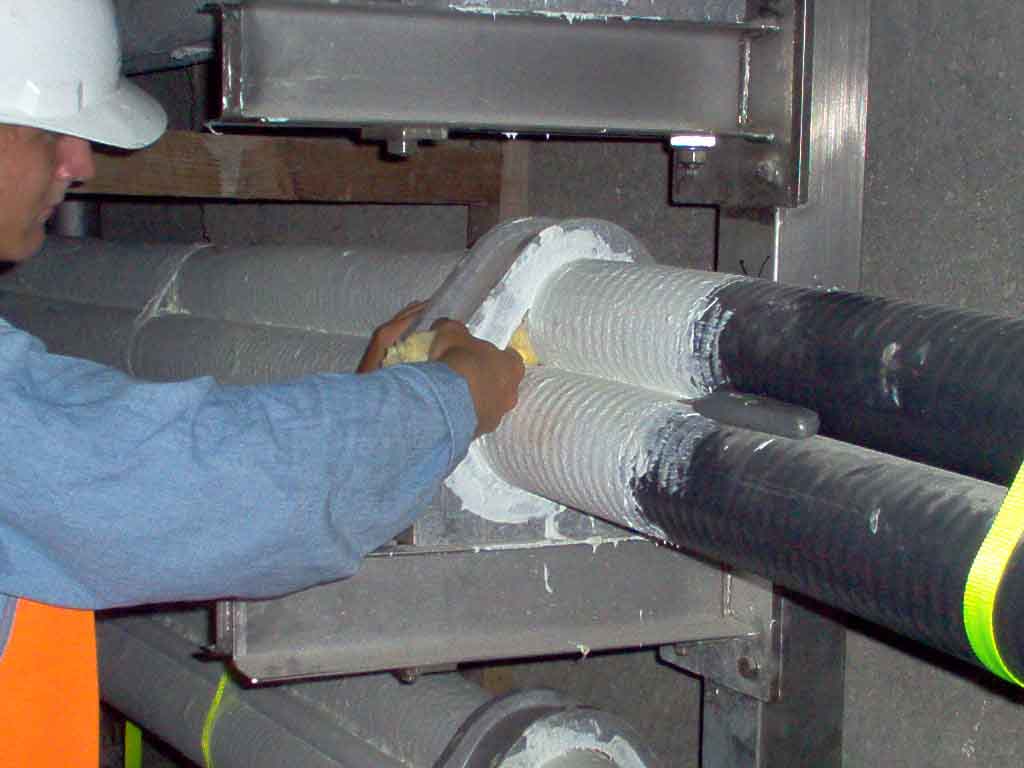
The most notable or well known “Cable Coating” approval within the market is FM Globals’ FM3971: Flame Retardant Coating for Grouped Electrical Cables. This is a great test to show that a cable coating will stop flame spread. This test is designed to stop flame spread on the cable surface, stopping the propagation of the fire from the source to another area. It does not however save the cable, it simply stops the spread of flame, so cables most typically need replacing.
There are of course several other standards within the market that show similar results, such IEEE, BS467; Part 6&7, ASTM E-84 and so on, but really the most prominent approvals for Electrical Cable, fire and Fire Rating is the “International Electrotechnical Commission” and the IEC 60331 series.
Typically Cable Coatings are tested to IEC 60331-21 or IEC 60331-23 utilizing the IEC 60331-11 apparatus. It is a common mistake in the marketplace that cable coatings are tested to IEC 60331-11 as we see in many specifications, but IEC 60331-11 is only the standard for the equipment used.
Which brings us to the choices manufacturers make when testing to IEC and why Clayton chose High Voltage (HV) cable instead of Low Voltage (LV).